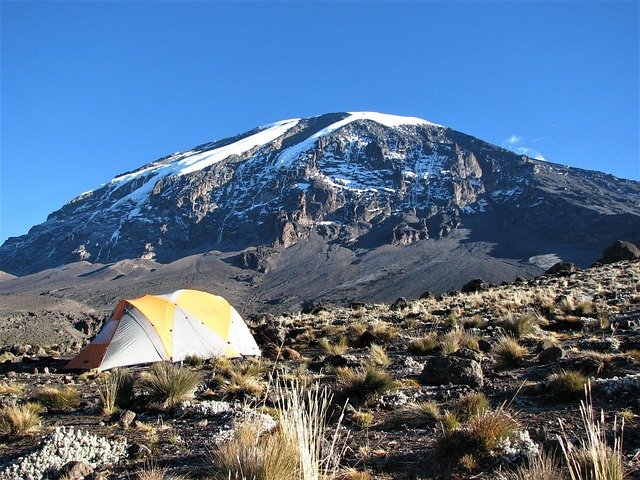
6 Days Machame Route Kilimanjaro Climb Overview
The 6 Days Machame Route Kilimanjaro Climb is one of the most popular ways to climb Mount Kilimanjaro because of its beautiful scenery, varied landscapes, and excellent acclimatization profile. Often called the “Whiskey Route,” Machame is ideal for adventurous trekkers looking for a more scenic and rewarding climb compared to shorter routes.
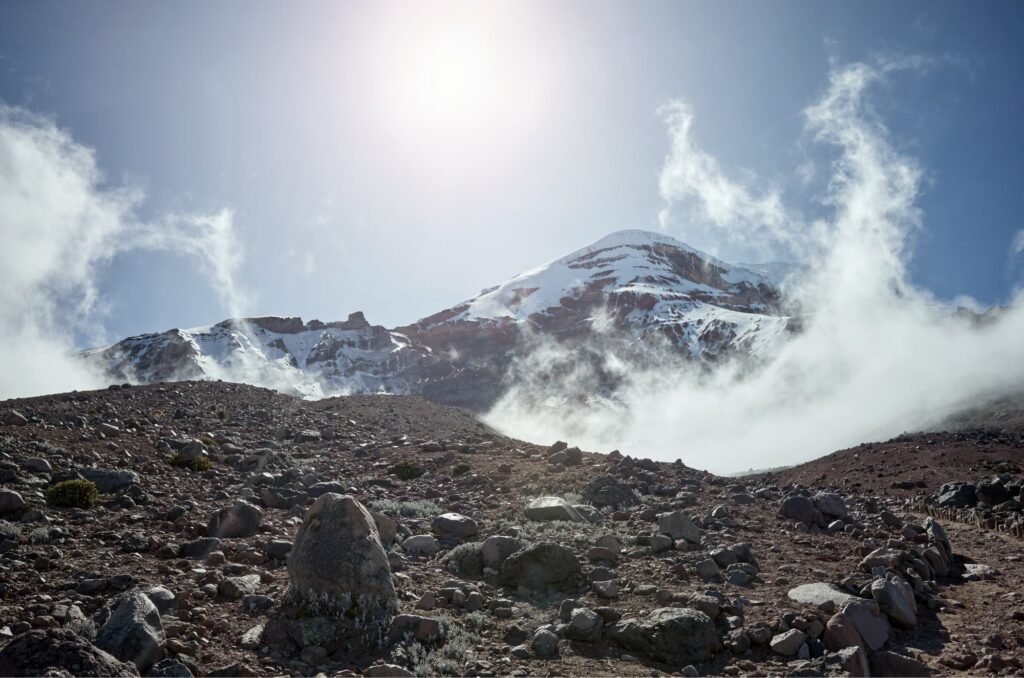
This route passes through several climate zones including rainforest, moorland, alpine desert, and arctic summit terrain. Along the journey, climbers enjoy spectacular views of Shira Plateau, Lava Tower, Barranco Wall, and the southern glaciers near Uhuru Peak.
The 6 days Machame route Kilimanjaro Climb variation is suitable for physically fit climbers who want a balance between adventure, acclimatization, and affordability.
At Our experienced mountain team focuses on safe trekking pace, proper acclimatization, nutritious meals, and personalized support throughout the climb.
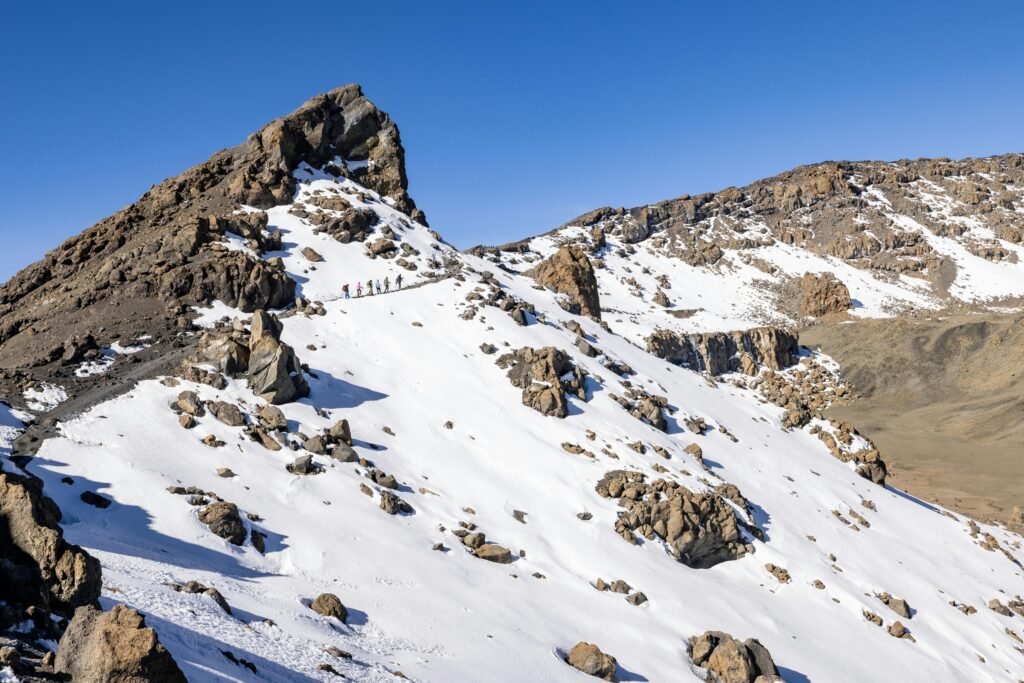
6 days Machame Route Kilimanjaro Climb Highlights
- Scenic camping route on Mount Kilimanjaro
- Higher summit success rate than Marangu Route
- Pass through 5 unique climate zones
- Professional mountain guides and porters
- Barranco Wall adventure experience
- Spectacular sunrise summit at Uhuru Peak
- Full camping equipment provided
- Suitable for adventurous trekkers
Quick Tour Information
| Feature | Details |
| Duration | 6 Days / 5 Nights |
| Route | Machame Route |
| Difficulty | Moderate to Challenging |
| Accommodation | Mountain Camping |
| Starting Point | Machame Gate |
| Ending Point | Mweka Gate |
| Best Time | January–March & June–October |
| Summit | Uhuru Peak (5,895m) |
Day 1: Machame Gate to Machame Camp
- Elevation: 1,800m to 3,000m
- Hiking Time: 5–7 hours
- Habitat: Rainforest
After breakfast and registration at Machame Gate, the climb begins through the lush rainforest section of Mount Kilimanjaro. This lower forest zone is rich with giant ferns, moss-covered trees, and occasional sightings of black-and-white colobus monkeys.
The trail can be muddy, especially during the rainy season, but the dense vegetation and fresh mountain air make this section very enjoyable. By late afternoon, climbers arrive at Machame Camp for dinner and overnight camping.
Day 2: Machame Camp to Shira Camp
- Elevation: 3,000m to 3,840m
- Hiking Time: 4–6 hours
- Habitat: Moorland
The forest gradually disappears as the trail enters the moorland zone with giant lobelias and volcanic rock formations. The route becomes steeper while offering impressive views of Kibo Peak and Mount Meru on clear days.
After crossing several ridges and valleys, the trek reaches Shira Camp located on the Shira Plateau, one of the oldest volcanic areas on Kilimanjaro.
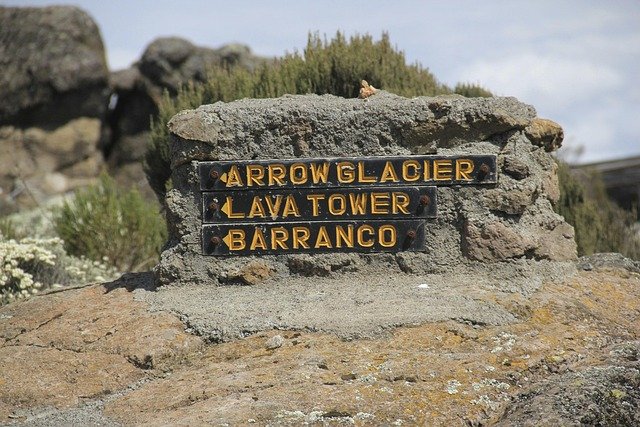
Day 3: Shira Camp to Barranco Camp via Lava Tower
- Elevation: 3,840m to 4,630m to 3,950m
- Hiking Time: 6–8 hours
- Habitat: Alpine Desert
This is an important acclimatization day following the “climb high, sleep low” principle. The trail gradually ascends toward Lava Tower where climbers may begin feeling the effects of altitude.
After lunch near Lava Tower, the route descends into the Barranco Valley beneath the impressive Barranco Wall. The landscape here is dramatic with giant senecio plants and sweeping mountain views.
Many climbers consider Barranco Camp one of the most scenic camps on the entire mountain.
Day 4: Barranco Camp to Barafu Camp
- Elevation: 3,950m to 4,673m
- Hiking Time: 6–8 hours
- Habitat: Alpine Desert
The day starts with the famous Barranco Wall climb. Although steep in some sections, it is non-technical and manageable with guidance from experienced mountain guides.
After reaching the top of the wall, the trail continues across alpine ridges and valleys toward Barafu Camp. This camp serves as the base for the summit attempt.
Climbers rest early, organize summit gear, and prepare mentally for the midnight ascent.
Day 5: Barafu Camp to Uhuru Peak to Mweka Camp
- Elevation: 4,673m to 5,895m to 3,100m
- Hiking Time: 10–14 hours
- Habitat: Arctic to Rainforest
Around midnight, the summit climb begins under the stars using headlamps. The steep ascent toward Stella Point is physically demanding, but the sunrise views above the clouds are unforgettable.
After reaching Stella Point, the trail continues along the crater rim to Uhuru Peak, the highest point in Africa.
Following summit celebrations and photos, climbers descend back to Barafu Camp for a short rest before continuing to Mweka Camp for overnight.
Day 6: Mweka Camp to Mweka Gate
- Elevation: 3,100m to 1,640m
- Hiking Time: 3–5 hours
- Habitat: Rainforest
The final descent passes through the rainforest zone toward Mweka Gate. Upon arrival, climbers receive summit certificates before transferring back to Moshi or Arusha for relaxation and celebration.
Best Time to Climb Machame Route
The best months for climbing are:
- January to March
- June to October
These periods usually offer:
- clearer skies
- drier trails
- better summit visibility
April, May, and November are wetter months and trails can become slippery.
What Is Included
- Park fees
- Professional mountain guides
- Porters and cook
- Camping equipment
- Sleeping tents
- Meals during the trek
- Drinking water
- Rescue fees
- Transfers to/from the mountain
- Oxygen cylinder
- First aid kit
What Is Excluded
- International flights
- Tanzania visa
- Travel insurance
- Personal trekking gear
- Tips for mountain crew
- Alcoholic and soft drinks
Why Choose the Machame Route?
Compared to other Kilimanjaro routes, Machame offers:
- better scenery
- stronger acclimatization
- more adventurous trekking experience
- higher summit success rates
It is especially recommended for trekkers wanting a true mountain adventure with varied landscapes.
Frequently Asked Questions
How difficult is the 6 Days Machame Route?
The route is considered moderate to challenging because of altitude and long hiking days. Good physical preparation is recommended.
What is the summit success rate?
The 6 Days Machame Route generally has a higher success rate than shorter routes because of better acclimatization.
Do I need previous climbing experience?
No technical climbing experience is required, but regular fitness training before the climb is highly recommended.
How cold does it get?
Summit temperatures can drop below -10°C during the night ascent.
Can beginners climb Kilimanjaro?
Yes. Many first-time trekkers successfully reach Uhuru Peak with proper preparation and experienced guides.
Recommended Packing List
- Waterproof hiking boots
- Warm sleeping bag
- Down jacket
- Thermal layers
- Gloves and hat
- Trekking poles
- Headlamp
- Sunglasses
- Rain jacket
- Reusable water bottles
Why Book With?
- Experienced local mountain guides
- Personalized climbing support
- Quality camping equipment
- Safety-focused trekking approach
- Competitive pricing
- Reliable customer support
- Ethical porter treatment
From
1600
per person